Best Time to Climb Kilimanjaro?
Mount Kilimanjaro can be climbed year-round, but not all months offer the same experience. The best time to climb is during the dry seasons, when weather conditions are more favorable, trails are safer, and views are simply breathtaking. These optimal climbing windows fall between January to early March and June to October. These months offer the clearest skies, stable conditions, and unforgettable summit experiences—making them the top choice for trekkers around the world.
Month-by-Month Breakdown
January to Early March – Bright Days, Crisp Views
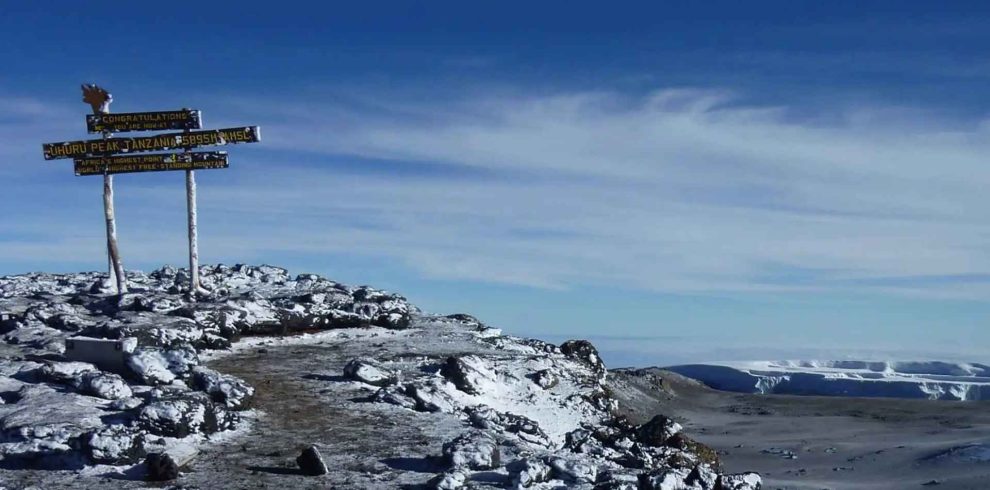
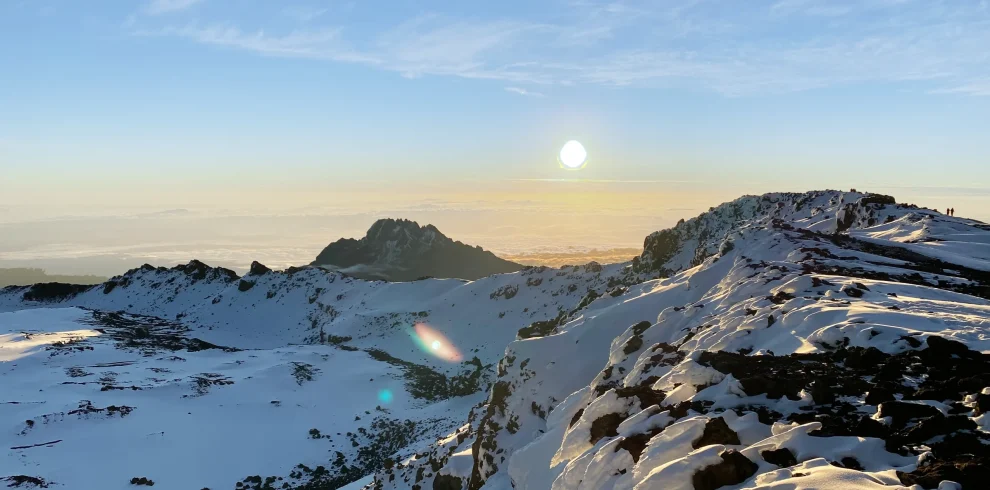
This is one of the best times to climb Kilimanjaro. Days are mostly dry and clear, with occasional snow near the summit—perfect for dramatic summit photos. Though considered part of the high season, these months are generally less crowded than the mid-year peak.
Best for: Trekkers seeking great visibility and fewer crowds.
Mid-March to May – Rainy Trails and Cloudy Skies
The long rainy season begins in mid-March and lasts through May. Trails become muddy, the forest slippery, and visibility poor due to heavy clouds. We typically avoid climbs during this period. However, experienced trekkers may still brave late March or late May, when the rains might temporarily ease.
Best for: Adventurous climbers with prior trekking experience and rain-ready gear.
June to September – Peak Season with Pristine Weather
June marks the start of the main trekking season. July and August are the busiest months, with stable weather and excellent trail conditions. Expect dry days, chilly nights, and breathtaking panoramas. Campsites and popular routes like Machame and Marangu can get crowded, especially around the full moon.
Best for: Climbers looking for top-tier weather and don’t mind sharing the trail with others.
October – Calm Before the Short Rains
October still offers mostly dry conditions, though light afternoon showers may begin. It’s quieter than peak season but still favorable for a successful summit. Visibility is good, and trails are less congested.
Best for: Trekkers wanting great conditions with fewer fellow climbers.
November – Short Rains Return
November brings the short rainy season. Though the rain is often less intense than in April or May, it still impacts trail safety and visibility. The mountain is peaceful this month, and you can escape the crowds by choosing northern routes like Rongai or the Northern Circuit.
Best for: Experienced trekkers willing to face unpredictable weather for solitude on the mountain.
December – Variable but Viable
Late December sees a transition back to drier weather, making it possible to climb during the Christmas and New Year period. Trails can be slippery early in the month but typically improve toward the end.
Best for: Holiday adventurers and those seeking a festive summit.

Kilimanjaro’s Weather, Crowds, and Trail Conditions?
Weather and Temperature
Due to its proximity to the equator, Kilimanjaro doesn’t follow the traditional four seasons. Instead, it has wet and dry periods. At the summit, the temperature can drop below freezing any time of year, especially during the coldest months (December to March and June). Expect snow above 14,000 feet during these colder seasons.
Rain and Visibility
Rainy seasons (April–May and November) bring wet, muddy conditions and obscured views. Clear skies are more common in dry months, giving climbers stunning vistas. Visibility can make or break the magic of your summit experience.
Crowds on the Mountain
Peak months (January–February and June–September) attract more climbers, especially on popular routes. For those wanting more solitude, shoulder seasons or lesser-used routes like Lemosho, Rongai, or the Northern Circuit are ideal. Note that full moon climbs can increase traffic but offer a surreal, moonlit trek to the summit.

Climbing During a Full Moon
Summiting under the silvery glow of a full moon is unforgettable. The moonlight illuminates the path, making the trek magical—and sometimes easier. However, these climbs are popular and tend to draw crowds. To experience it without the congestion, consider starting your trek just before or after the actual full moon date.
Prefer stargazing to moonlight? Plan around the new moon for pitch-black skies and brilliant constellations.
Safety and Trail Conditions
During wet months, trail conditions can become hazardous. Muddy rainforest floors, slippery alpine rocks, and cold, wet clothes can increase the risk of hypothermia. We recommend that beginners avoid rainy seasons and opt for drier months. Our expert guides monitor the weather daily and adjust routes if necessary to ensure your safety.
We also provide private toilet tents and waterproof equipment to make your journey more comfortable, regardless of the weather.
So, What’s the Best Time to Climb Kilimanjaro?
For the best weather and summit success rate: January to early March or June to October
To avoid the crowds: Choose early January, late February, or October
To hike under a full moon: Time your climb to start 5 days before the full moon
To enjoy solitude and don’t mind some rain: Late March, late May, or November
To avoid entirely: April and early May—Kilimanjaro’s long rainy season
Ultimately, Kilimanjaro is climbable almost any time of year. With the right gear, experienced guides, and an open spirit, even shoulder seasons can turn into the adventure of a lifetime.
Ready to plan your climb? Let us help you pick the perfect route, season, and summit strategy that matches your schedule and goals.